A little over a year after adding native image generation, OpenAI is pushing the format further with a major upgrade.
The company has launched ChatGPT Images 2.0, positioning it as a decisive leap in how AI creates and edits visuals.
The new system aims to move beyond simple generation and toward something closer to an interactive creative engine.
OpenAI describes the release as a “step change” in image models, with improvements in instruction-following, text rendering, and scene composition.
The model can also reason through tasks, including verifying outputs and pulling in external information.
That shift signals a broader ambition: making AI-generated images more reliable and usable in real workflows.
Two modes, two jobs
ChatGPT Images 2.0 arrives with two distinct operating modes: Instant and Thinking.
Each targets a different creative need.
Instant mode focuses on speed. OpenAI quietly tested it under the codename “duct tape” on LMArena before launch.
The model delivers quick outputs while maintaining strong visual quality.
Thinking mode takes a slower, more deliberate approach. It reasons before generating visuals.
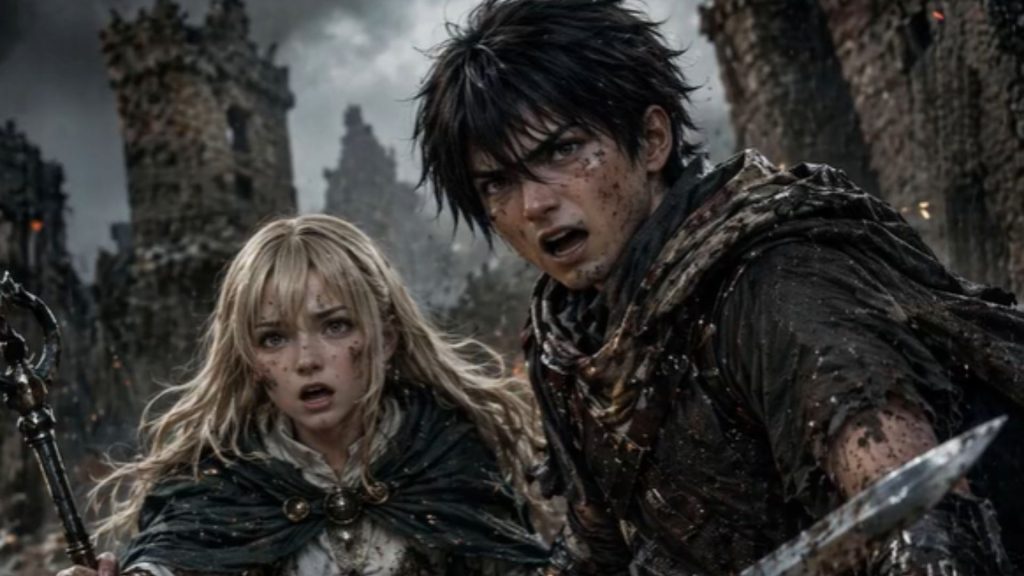
This allows it to maintain character consistency across multiple frames and produce coherent narratives.
That capability opens doors for use cases like manga creation, storyboarding, and multi-scene design.
The distinction matters. Earlier image models struggled with continuity.
Thinking mode attempts to fix that limitation by treating image creation as a structured process, not a one-shot output.
Interactive image workflows
The biggest shift lies in how users interact with the system. OpenAI no longer treats image generation as a single prompt-response action.
“It’s an AI that you interactively talk to, and it responds,” said one OpenAI researcher during the demo.
Users can now refine images through conversation. They can zoom in, adjust elements, or change compositions without restarting.
The model retains context across edits, enabling iterative design.
In one demo, the system generated eight different summer outfits from a single uploaded image.
In another, it scanned social media reactions to earlier test models.
It then summarized those insights visually and produced a QR code linking back to ChatGPT.
That workflow shows a broader capability.
The tool can combine reasoning, research, and design into a single loop.
Language and design gains
OpenAI has also improved how the model handles non-Latin scripts.
The system now performs better with Japanese, Korean, Chinese, Hindi, and Bengali text. This addresses a long-standing limitation in image models.
The company also claims stronger fidelity to different visual styles. That includes better alignment with specific artistic languages.
These upgrades make the tool more practical for game development and visual storytelling.
On the technical side, Images 2.0 supports flexible aspect ratios, from 3:1 to 1:3.
It can generate images up to 2K resolution and produce as many as eight outputs in a single run.
As leading AI labs converge on similar text model performance, differentiation has shifted.
OpenAI appears to be betting heavily on images as its next competitive frontier.
With ChatGPT Images 2.0 now live on web and API, the company is signaling a clear direction.
Image generation is no longer just a feature. It is becoming a core interface for interacting with AI.

CTO Robotics
CTO Robotics is a global media and consulting company dedicated to robotics, automation, artificial intelligence, and emerging technologies. We create high-impact content that reaches engineers, decision-makers, and innovators worldwide. Through articles, videos, social media campaigns, and community-driven storytelling, we help companies showcase their technologies, strengthen their brand, and connect with the right audience. Much like Interesting Engineering or Wevolver, our mission is to bridge the gap between technology providers and industry professionals — turning innovation into visibility, and visibility into growth. 👉 Whether you are launching a new product, building your brand, or looking for global recognition, CTO Robotics is your media partner for exposure, credibility, and business opportunities.
All stories by: CTO RoboticsRelated Posts
-
 June 22, 2026
FREE 2 Day AI Claude Mastery Workshop






0 Comments