
The Dawn of Self-Sustained Soft Robotics
In the rapidly evolving world of robotics, one of the persistent challenges for tiny, mobile machines is power. Traditional batteries are bulky, wires are restrictive, and frequent recharging limits autonomy. Imagine robots that could move tirelessly, powered by nothing more than the warmth of their surroundings – perhaps even a human hand. This futuristic vision is now closer to reality, thanks to a groundbreaking development in soft robotics.
Researchers have unveiled a new class of soft robots, inspired by the elegant motion of bacteria like Salmonella, that can achieve self-sustained movement by harvesting ambient heat. This innovation promises to dramatically redefine the capabilities and deployment of autonomous systems, offering a glimpse into a future where robots operate with unprecedented independence.
How Molecular Magic Powers Tiny Machines
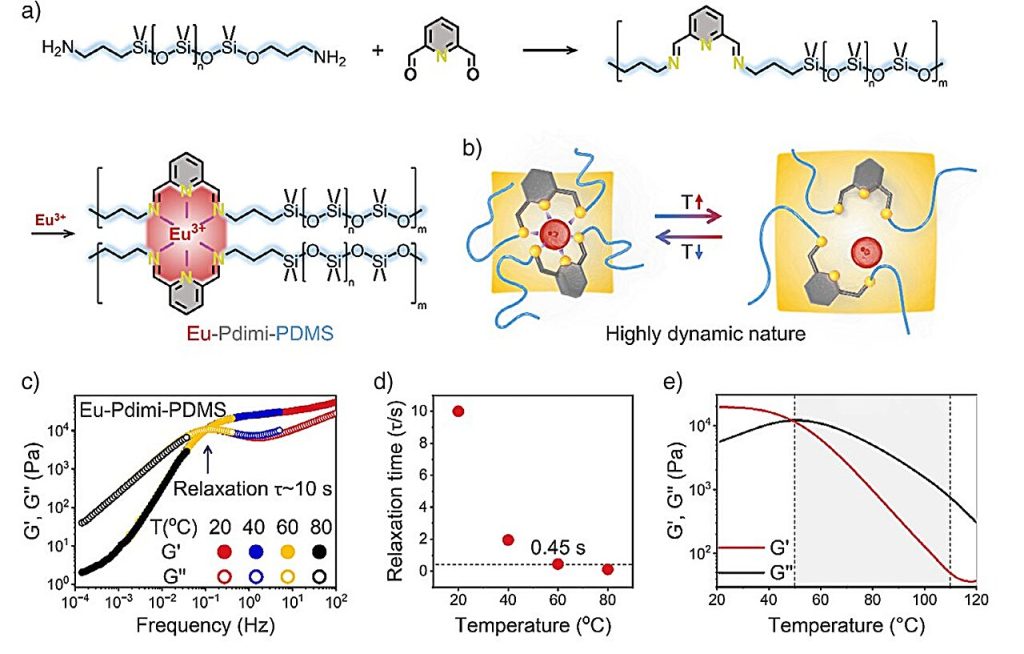
At the heart of this innovation lies an ingenious mechanism rooted in molecular-level dynamic bonding. These tiny soft robots are engineered to react to subtle temperature differentials. Unlike conventional motors or complex energy converters, their movement is driven by the intrinsic properties of their materials. A simple warm hand, for instance, provides enough thermal energy to activate these bonds, causing the robot to deform and propel itself forward.
This ‘Salmonella-inspired’ design isn’t just a nod to nature’s efficiency; it represents a paradigm shift in how we think about power sources for robotics. By leveraging dynamic bonds, the robots can convert readily available thermal energy into kinetic energy, allowing them to perform continuous motion without external power inputs or cumbersome recharging cycles. It’s a testament to biomimicry meeting advanced material science, resulting in robots that are inherently energy-efficient and self-reliant.
Unlocking New Frontiers for Autonomous Systems
The implications of self-sustained soft robots are vast and transformative. Liberated from the constraints of batteries and charging stations, these tiny marvels could unlock new applications across various sectors:
- Medical & Biomedical: Imagine miniature robots navigating the human body for targeted drug delivery, minimally invasive diagnostics, or even intricate surgical procedures, all powered by body heat.
- Environmental Monitoring: Self-propelling sensors could continuously monitor water quality, air pollution, or even track micro-organisms in remote, energy-scarce environments.
- Industrial Inspection & Maintenance: For delicate machinery or hard-to-reach internal structures, these robots could offer autonomous inspection, moving through confined spaces without the need for manual intervention or power cables.
- Smart Materials & Actuators: The underlying principle could lead to the development of responsive smart materials that actively adapt their shape or function based on ambient temperature changes.
This breakthrough paves the way for truly autonomous systems that are more sustainable, cost-effective, and adaptable. Their inherent simplicity and reliance on ubiquitous energy sources make them ideal candidates for deployment in environments where traditional robotics struggle.
The Future is Warm: A Step Towards True Autonomy
The development of soft robots capable of self-sustained motion through ambient heat harvesting represents a significant leap forward for robotics and automation. It underscores a growing trend towards creating machines that are more integrated with their environment, less reliant on conventional infrastructure, and ultimately, more autonomous. As research continues, we can anticipate even more sophisticated designs and broader applications, ushering in an era where robots are not just smart, but truly self-sufficient.
Connect with the CTO ROBOTICS Media Community
Follow us and join our community channels for the latest insights in AI, Robotics, Smart Manufacturing and Smart Tech.


CTO Robotics
CTO Robotics is a global media and consulting company dedicated to robotics, automation, artificial intelligence, and emerging technologies. We create high-impact content that reaches engineers, decision-makers, and innovators worldwide. Through articles, videos, social media campaigns, and community-driven storytelling, we help companies showcase their technologies, strengthen their brand, and connect with the right audience. Much like Interesting Engineering or Wevolver, our mission is to bridge the gap between technology providers and industry professionals — turning innovation into visibility, and visibility into growth. 👉 Whether you are launching a new product, building your brand, or looking for global recognition, CTO Robotics is your media partner for exposure, credibility, and business opportunities.
All stories by: CTO Robotics










0 Comments